
The Big Five: Africa's Most Legendary Wildlife
The term "Big Five" was originally coined by big-game hunters to describe the five most dangerous and difficult animals to hunt on foot: lion, leopard, elephant, Cape buffalo, and rhinoceros. Today the phrase has been reclaimed by safari tourism to describe the five most sought-after wildlife sightings in Africa. Seeing all five on a single safari — a "full house" — is a goal that drives many visitors to East Africa. Here's what you need to know about each one.
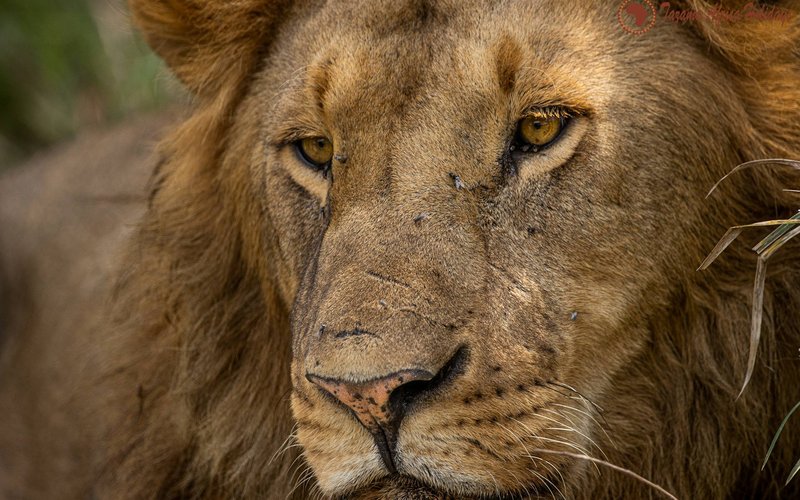
1. Lion — The King of the Savannah
Africa's apex predator and the most charismatic animal on the continent, the lion is the ultimate safari sighting. Kenya and Tanzania support some of Africa's healthiest lion populations, particularly in the Maasai Mara, Amboseli, Serengeti, and Ngorongoro ecosystems. Mara lions are famous for their boldness — they are accustomed to vehicles and will walk directly past safari cars, giving extraordinary close-up views.
Lions are most active in the early morning and late afternoon, when they hunt and move between resting areas. Midday finds them sleeping in shade — still photogenic, but less dynamic. Listen for the deep, resonant roar that carries for eight kilometres across the savannah — hearing it in the dark, lying in your tent, is one of safari's most spine-tingling moments.
2. Leopard — The Most Elusive of the Five
The leopard is the hardest of the Big Five to find — secretive, largely nocturnal, and expertly camouflaged in dappled shade. When you do find one, it's often draped in a fig tree along a riverbank, a kill hoisted into the branches above. The Mara River and Talek River areas of the Maasai Mara are excellent for leopard sightings, as are the forested areas of Lake Nakuru and Samburu's doum palm thickets.
A full leopard view — the animal moving through grass in golden light, or feeding on a kill, or descending a tree trunk head-first — is often cited by safari veterans as the single most thrilling wildlife sighting in East Africa. Your guide's ability to find and track leopard sign (scratch marks, territorial scent marks, alarm calls from baboons) is critical.
3. Elephant — The World's Largest Land Animal
No animal inspires quite the same emotional response as a close encounter with an African elephant. Intelligent, empathetic, and immensely powerful, elephants move through the landscape with quiet authority. Kenya's Amboseli National Park is the finest destination for elephant viewing in the world — huge bulls with sweeping tusks, matriarch-led family groups, and calves playing in the swamps, all with the snow-capped dome of Kilimanjaro rising behind them.
The Maasai Mara, Tsavo East and West, and Samburu also support large elephant populations. Tsavo East is home to the famous "red elephants" — coated in the park's distinctive laterite dust, giving them an extraordinary rust-red colour.
4. Cape Buffalo — The Unpredictable One
The Cape buffalo is widely considered the most dangerous of the Big Five — responsible for more hunter fatalities historically than any other large animal. Unpredictable and powerful, a wounded or startled buffalo will charge without warning. On safari from a vehicle, however, they are magnificent — massive black bodies, distinctive "boss" horns, and huge herds that can number in the thousands in the Serengeti and Mara.
Old bulls past breeding age form small bachelor groups known as "dagga boys" (from the Zulu word for mud) — mud-encrusted, bad-tempered, and solitary. These lone bulls are often found near water and make dramatic photographic subjects. Lions frequently attempt to hunt buffalo calves, and a lion-buffalo standoff is one of the most electrifying encounters you can witness on safari.
5. Rhinoceros — Africa's Most Endangered Large Mammal
The rhinoceros is the rarest and most endangered of the Big Five, a victim of relentless poaching for its horn. The black rhino (Diceros bicornis) is critically endangered, with fewer than 6,000 remaining worldwide. Kenya has one of Africa's most successful rhino conservation programmes, and the Maasai Mara, Lewa Wildlife Conservancy, and Ol Pejeta Conservancy (which hosts the world's last two northern white rhinos) offer some of the continent's best rhino viewing opportunities.
Ngorongoro Crater in Tanzania has a small but growing population of black rhino — around 30 individuals — that are frequently seen during full-day crater visits. A rhino sighting at close range, particularly of a mother with a calf, is a profoundly moving reminder of what conservation efforts are protecting.
Where to See the Big Five
The Maasai Mara (Kenya), Ngorongoro Crater (Tanzania), and the Serengeti offer the best Big Five completions on a single safari. Amboseli is outstanding for elephant. Lake Nakuru is excellent for rhino (white rhino in particular), lion, and leopard. Samburu in northern Kenya offers a different assemblage of wildlife — Grevy's zebra, reticulated giraffe, Beisa oryx — alongside reliable leopard, lion, and elephant sightings.
Tazama Africa Holidays designs itineraries specifically around Big Five completion, combining parks to maximise your chances of seeing all five. Our guides know exactly where to find each species and can advise which itinerary gives you the best odds for your specific travel dates.