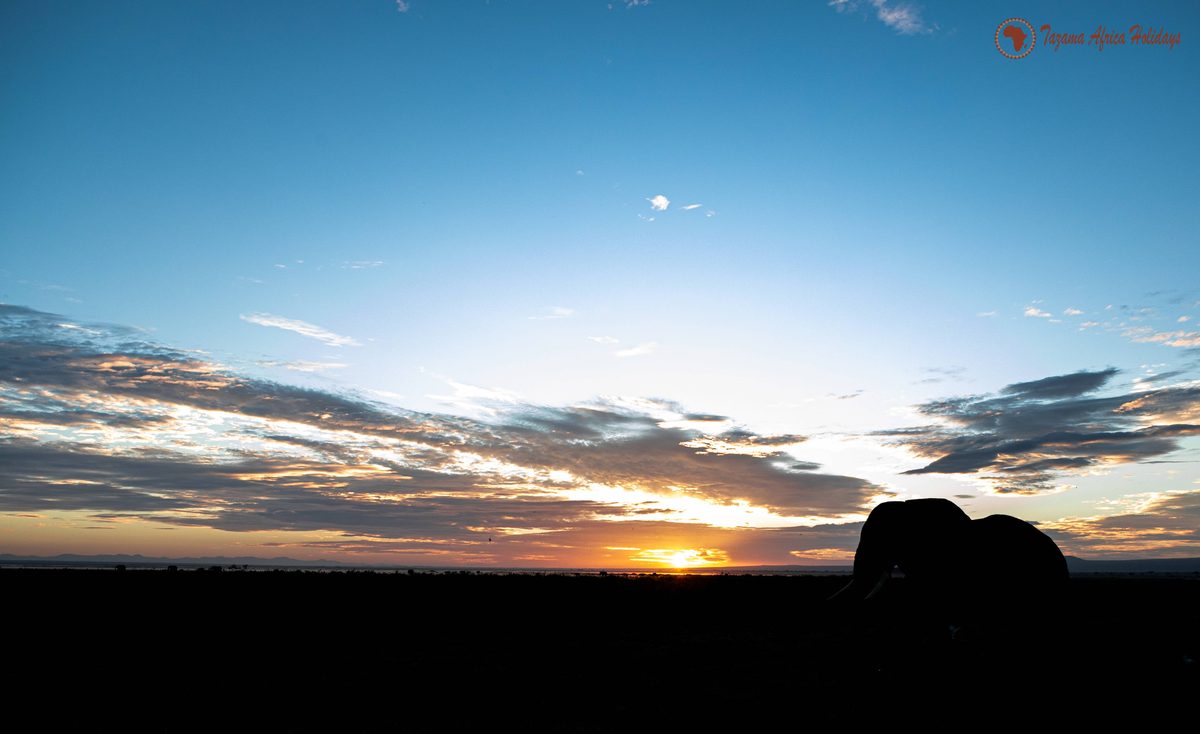
The legendary Serengeti hosts the Great Migration and offers unrivaled wildlife viewing year-round.
- Best Time To Go
- June to October (migration), December to March (calving)
- Location
- Northern Tanzania
- Country
- Tanzania
- Activities
- Game Drives & Wildlife Safaris
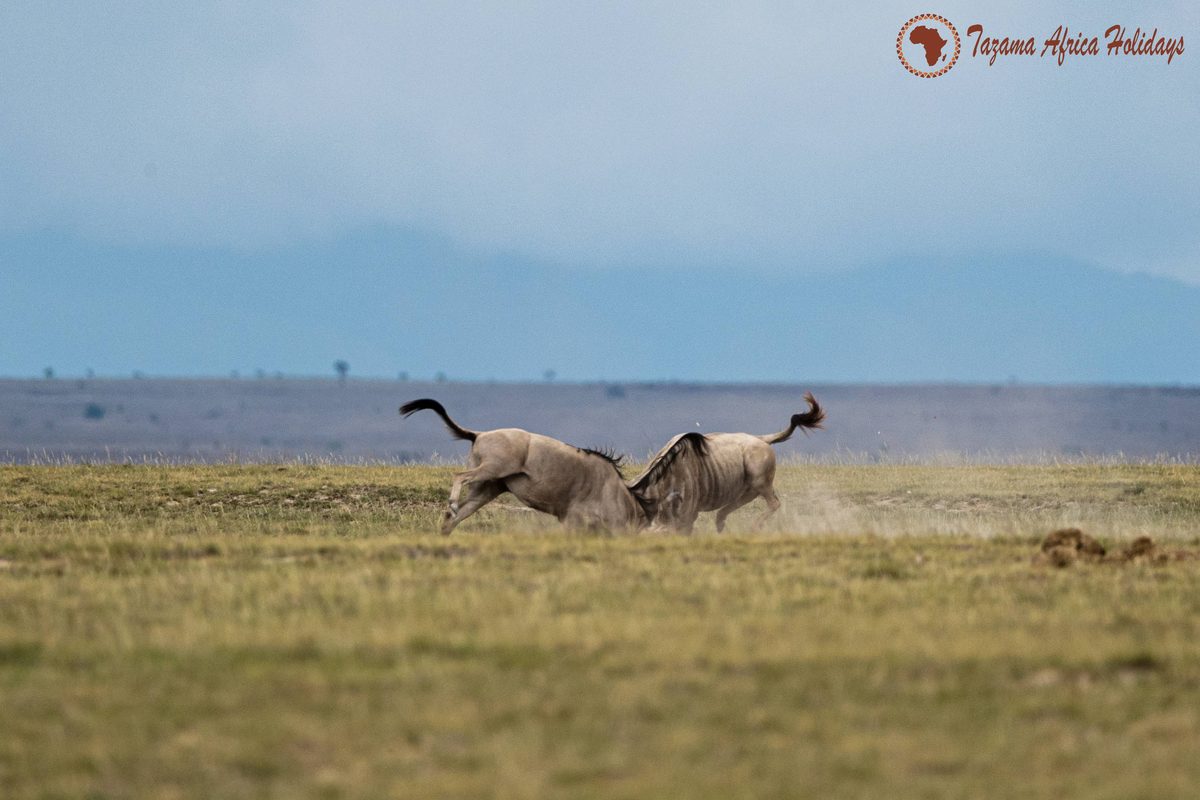
Wildlife
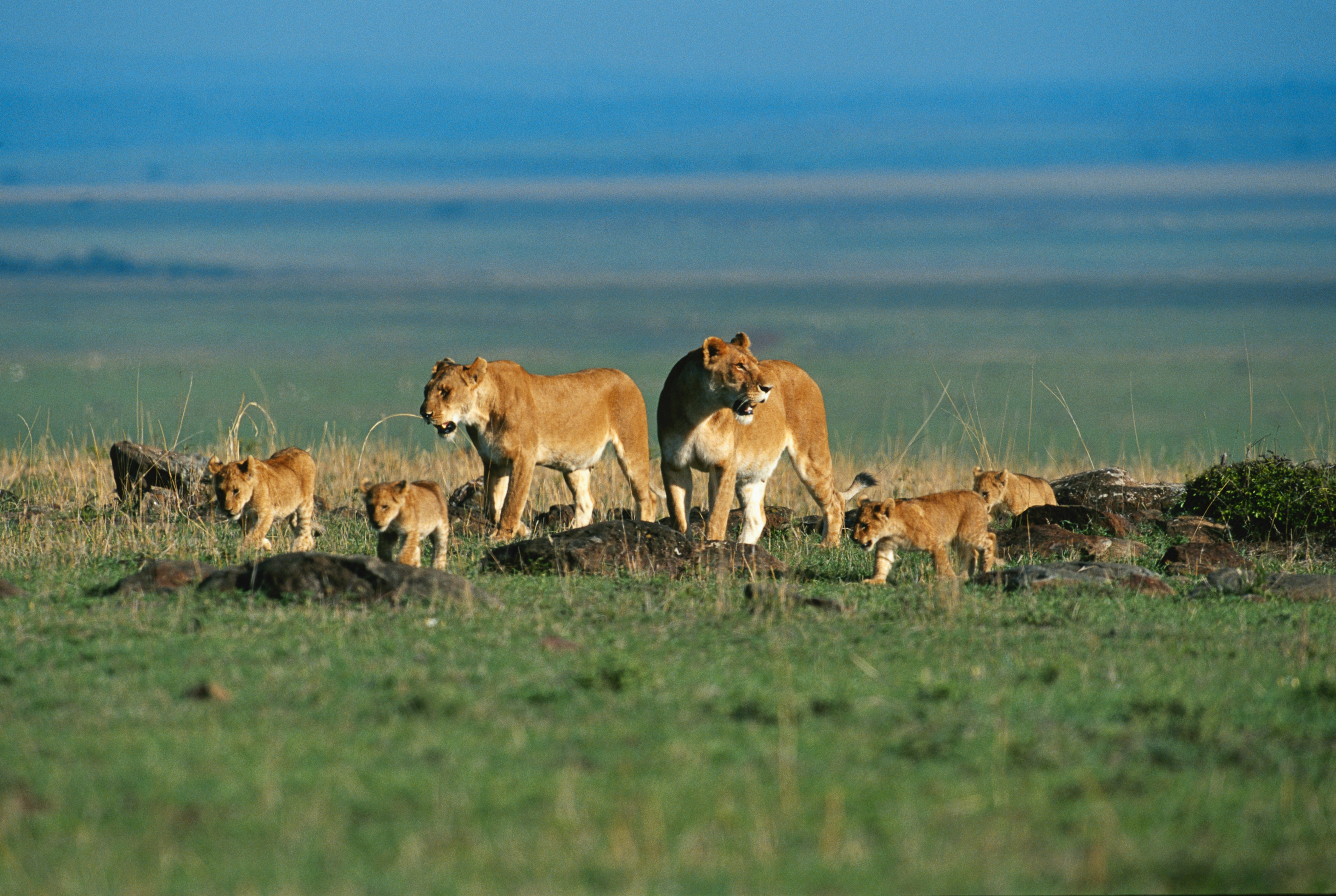
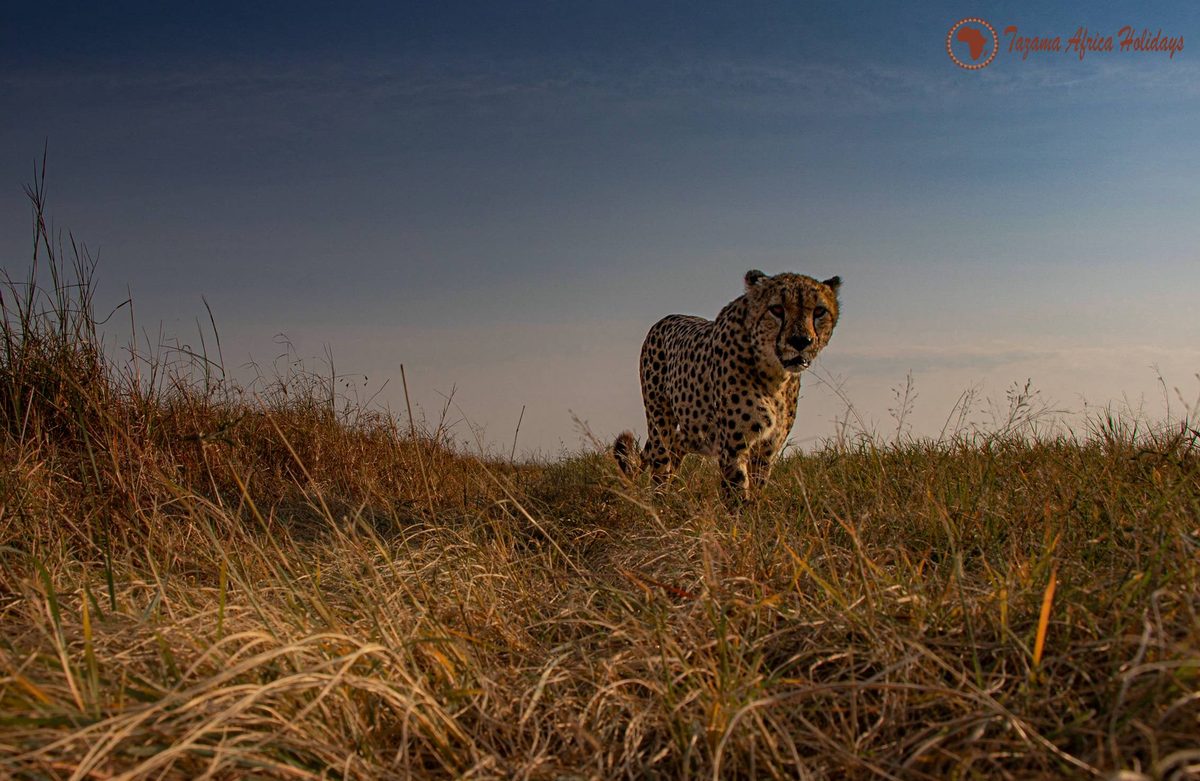
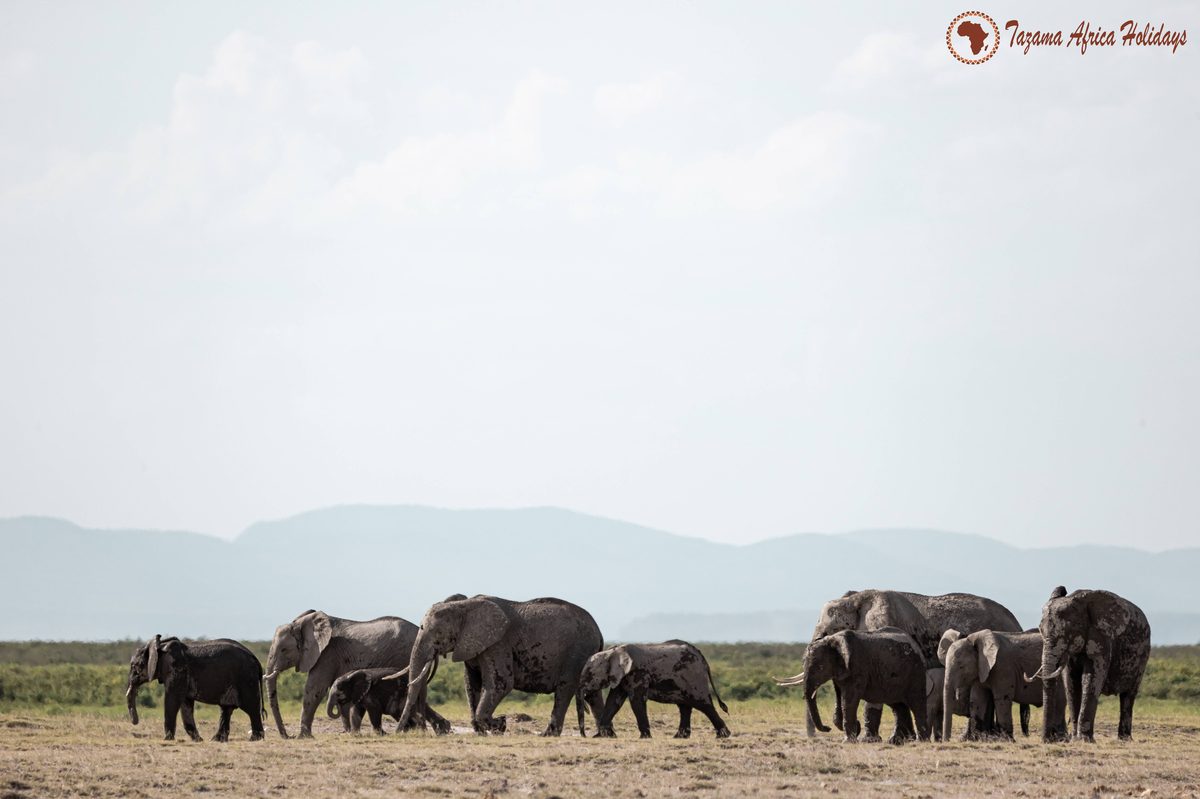
Wildebeest, zebras, lions, leopards, cheetahs, elephants, hippos, crocodiles, over 500 bird species.
Explore Serengeti
The Serengeti National Park was established nearly a hundred years ago as a colonial game reserve, made a National Park in 1951, and later endorsed as a UNESCO World Heritage Site in 1979. It represents one of the last remaining areas of untouched wilderness, situated within the broader Serengeti ecosystem spanning 25,000 square kilometres, with the protected national park comprising almost 15,000 square kilometres. The geography ranges from apparently limitless grass plains in the south, fertilized by volcanic ash rich in life-giving phosphates, to wooded highlands in the east, crossed by rivers and studded with island outcrops of eroded granite called kopjes, home to hundreds of vulnerable inhabitants such as the rare black rhinoceros. The climate of the Serengeti is defined by periods of rain and drought.
Best Time To Visit
June to October (migration), December to March (calving)
Map of Serengeti National Park
Want To Visit Serengeti National Park?
Let our safari experts craft the perfect itinerary tailored just for you.