
The Serengeti: Africa's Most Famous Wilderness
The word Serengeti comes from the Maasai word "Siringet" — the endless plains. And endless is exactly what it feels like when you first drive out of the woodlands and onto the vast open grasslands of Tanzania's most iconic national park. At 14,763 square kilometres, the Serengeti is one of Africa's largest and oldest ecosystems, and its wildlife spectacle is unmatched anywhere on the continent. Here is everything you need to know about exploring the Serengeti.
The Serengeti Ecosystem
The Serengeti is not a single landscape — it is a mosaic of different habitats, each with its own wildlife character. Understanding this geography helps you plan where to be and when:
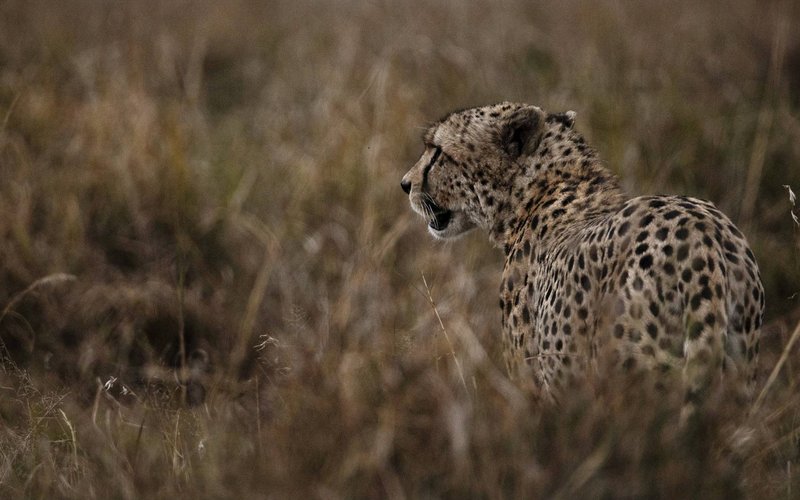
- Southern Serengeti (Ndutu area): Short-grass plains, volcanic soil, nutrient-rich grass. This is the calving grounds — where over half a million wildebeest calves are born between January and March. Exceptional predator activity, cheetah, and open views.
- Central Serengeti (Seronera): The heart of the park, with the Seronera River and its gallery forest. Permanent water means year-round lion, leopard, hippo, and crocodile. The most reliably productive area outside migration season.
- Northern Serengeti (Kogatende, Lamai): The Mara River forms the border with Kenya. This is where the most dramatic river crossings happen between August and October. Remote, with far fewer visitors than the central areas.
- Western Corridor: The Grumeti River cuts through acacia woodland and riverine forest. The western crossing point sees the herds pass through between May and July, with enormous crocodiles in the Grumeti River.
The Great Migration in the Serengeti
The migration is the Serengeti's most celebrated event, but it is the calving season (January–March) that many photographers and naturalists consider the most spectacular. The southern plains near Lake Ndutu host the births of hundreds of thousands of wildebeest calves in a concentrated frenzy — an evolutionary strategy that overwhelms predators with sheer numbers. Cheetah, lion, wild dog, and hyena hunt constantly during this period, giving extraordinary predation scenes in extraordinary open-grass settings.
The river crossings in the northern Serengeti and Maasai Mara (July–October) are the peak of the dramatic spectacle — thousands of wildebeest crashing into the Mara River while crocodiles explode from the water. See our dedicated Great Migration guide for full details.
Wildlife Beyond the Migration
Even without the migration, the Serengeti offers world-class game viewing year-round. The Seronera area has the highest density of leopard in Tanzania, with individual cats known and regularly sighted by local guides. The Serengeti supports over 3,000 lions across the ecosystem — a significant portion of Africa's remaining population. African wild dogs, though rare, are occasionally encountered in the western corridor and southern plains. Over 500 bird species make the Serengeti one of the continent's premier birdwatching destinations.
Ngorongoro Crater: The Serengeti's Neighbour
Most Serengeti itineraries include a day in the Ngorongoro Crater — the world's largest inactive, intact caldera and a UNESCO World Heritage Site. The crater floor (260 square kilometres) hosts an estimated 25,000 large mammals in a self-contained ecosystem: lion prides, a thriving black rhino population, enormous buffalo herds, and the haunting Lerai acacia forest where elephants feed in the pink morning light. A full-day crater visit is among the most concentrated wildlife experiences in Africa.
Getting to the Serengeti
Most visitors fly into Kilimanjaro International Airport (JRO) near Arusha — the gateway to Tanzania's northern circuit. From Arusha, the options are:
- Fly-in safari: Charter or scheduled flights from Arusha or Kilimanjaro land at multiple Serengeti airstrips (Seronera, Kogatende, Ndutu, Grumeti). Flight time is 45–90 minutes depending on destination. Fast, comfortable, and gives you incredible aerial views.
- Overland drive: The drive from Arusha passes through Arusha National Park, the Ngorongoro Conservation Area, and the Ndutu area before reaching the Serengeti. Approximately 6–8 hours. Slower but gives you the full experience of Tanzania's landscape transition from highlands to savannah.
Planning Your Serengeti Safari
The ideal Serengeti itinerary depends entirely on when you travel. January–March visitors should prioritise the Ndutu area for the calving season. July–October travellers should include the northern Serengeti at Kogatende for the Mara River crossings. Year-round, Seronera is the reliable heart of the park. Tazama Africa Holidays offers a range of Tanzania safari packages that showcase the best of the Serengeti across all seasons. Contact our team for a personalised itinerary recommendation based on your travel dates and interests.